No bridges, real river crossings, and no ordinary road — here’s how to actually get to Þórsmörk, and which option suits your trip.


Find out when to visit Iceland for ice caves. Discover peak times and safety tips for your adventure in this icy wonderland.
Exploring an ice cave in Iceland is often described as a once-in-a-lifetime experience—a moment where you step inside a glowing blue world shaped entirely by nature.
But timing is everything.
If you’re wondering when to visit Iceland’s ice caves, this guide will help you plan the perfect trip while staying safe and getting the most unforgettable experience possible.
Ice caves in Iceland are naturally formed inside glaciers, which means they are constantly changing—and only safe to visit under the right conditions.
During this time, freezing temperatures stabilize the ice, making caves safe to explore with certified guides like South Adventure.
Winter transforms Iceland into a dramatic, frozen landscape—and it’s the only time when most ice caves are accessible.
Here’s why winter is ideal:
Many travelers say this becomes the highlight of their Iceland trip.
Between November and March, with January and February offering the best conditions.
Yes—only when visited with certified guides.
No, it’s unsafe and not allowed.
If you’re planning your trip around the best time to visit Iceland’s ice caves, winter is your window into one of nature’s most incredible creations.
To make the most of it—and to experience it safely—join a guided tour with professionals like South Adventure.
It’s not just a tour—it’s something you’ll remember for the rest of your life.
No bridges, real river crossings, and no ordinary road — here’s how to actually get to Þórsmörk, and which option suits your trip.
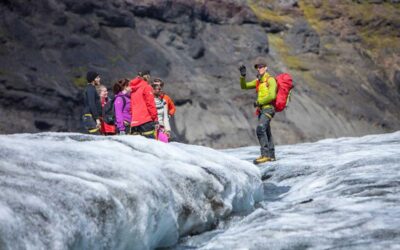
Discover why a guided South Coast tour is one of the best ways to experience Iceland. Learn the benefits of local guides, hidden gems, and stress-free travel.
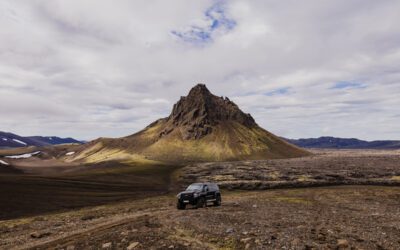
Discover the best South Coast Iceland adventure tours, from Super Jeep rides to private experiences. Find the right tour for your trip.